News & Events
Stay up to date with the latest developments at ICRC. Press releases, interviews, events and podcasts from our researchers and clinicians.
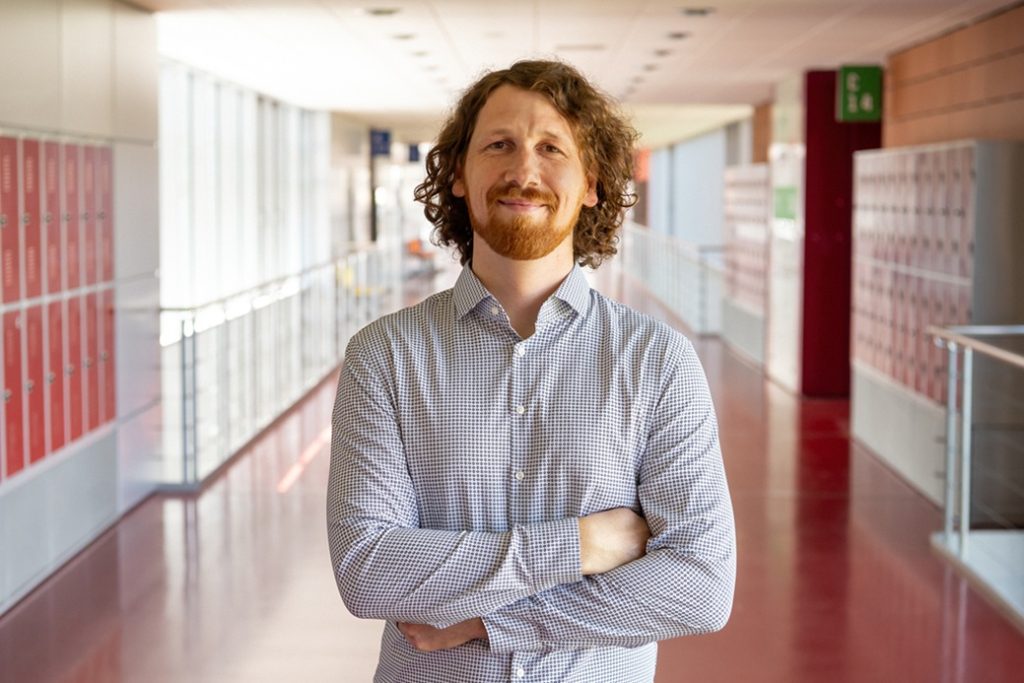
Why Do Some Childhood Tumors Resist Treatment? Mitochondria May Provide the Answer, Says Scientist Jan Škoda
Molecular biologist Jan Škoda studies the hidden world of childhood cancers. In his research, he looks for new ways to overcome tumor resistance to conventional treatments.
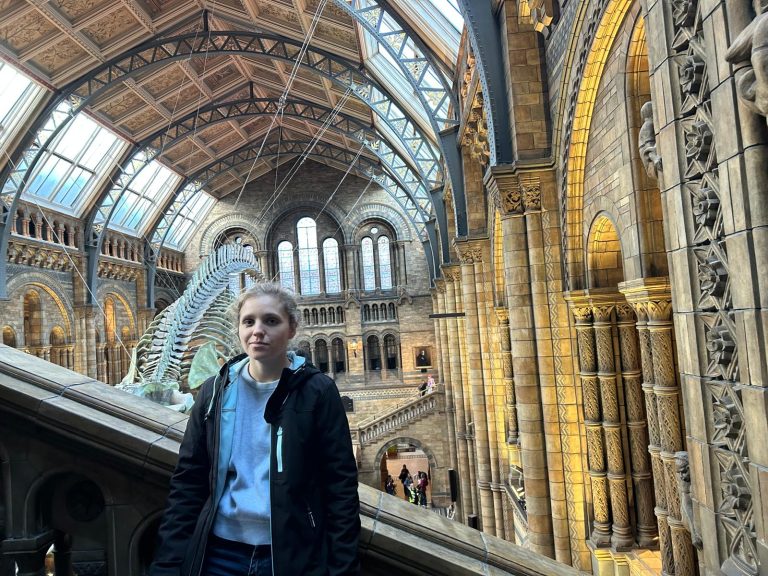
“We want to make MRS easier for clinicians. They shouldn’t have to rely on complex analysis pipelines,” says CYIA 2026 winner Capucine Cadin
The winner of the CLARA Young Innovator Award in the under-35 category is Capucine Cadin from the Paris Brain Institute. Her work focuses on the standardization and automation of magnetic resonance spectroscopy (MRS) analysis, an advanced diagnostic technique that, instead of producing images of organs, analyzes their chemical composition. She has developed a system for processing spectroscopy data that automatically analyzes acquired measurements and performs quality control of the input data. An artificial intelligence–based model then helps clinicians predict the progression of a disease or abnormal finding. She now plans to expand the platform to support neurological disorders associated with aging, such as Alzheimer’s disease.
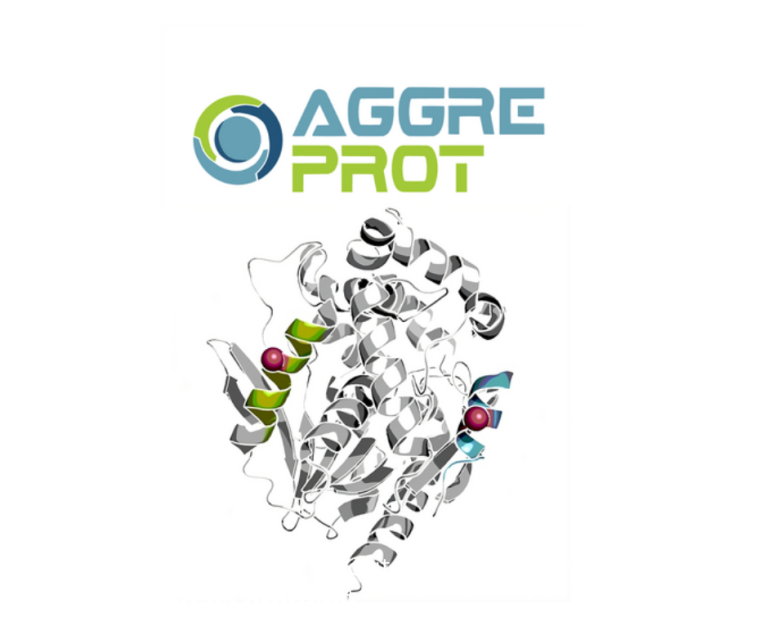
Sticky No More: New Algorithm Helps Scientists Reduce Protein Aggregation
Proteins are the silent engines of modern life. They help make life-saving medicines, break down environmental pollutants, improve our food, and power industrial processes. Nevertheless, there is a catch: many proteins have a stubborn tendency to stick together, forming useless clumps that render them inactive. This frustrating behaviour has been holding back science until now.
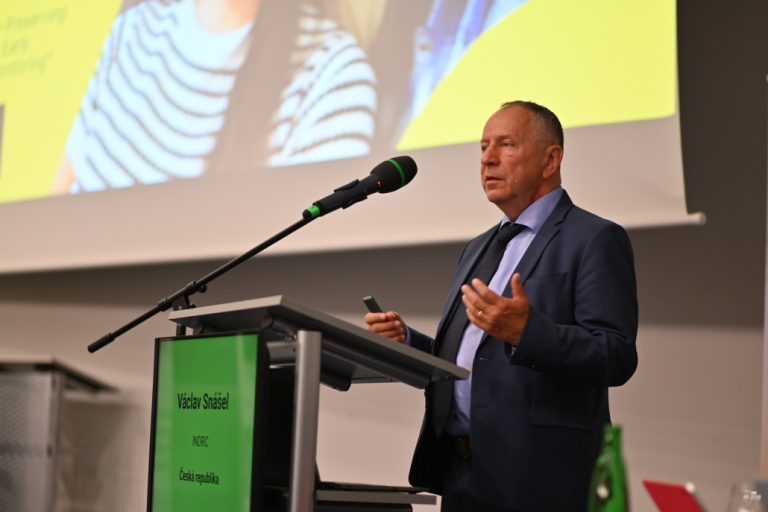
CLARA Young Innovator Award 2026 Announces Its Winners: AI Monitoring of Speech and Movement in Early Alzheimer’s Disease and Brain Chemistry Research Impress Jury
The winners of the inaugural CLARA Young Innovator Award were announced on Friday, May 22, 2026, during the Prague International Health Summit. The jury recognized research projects focused on the early diagnosis of Alzheimer’s disease and advanced methods for analysing brain disorders, both of which have the potential to significantly advance modern diagnostics and medicine.
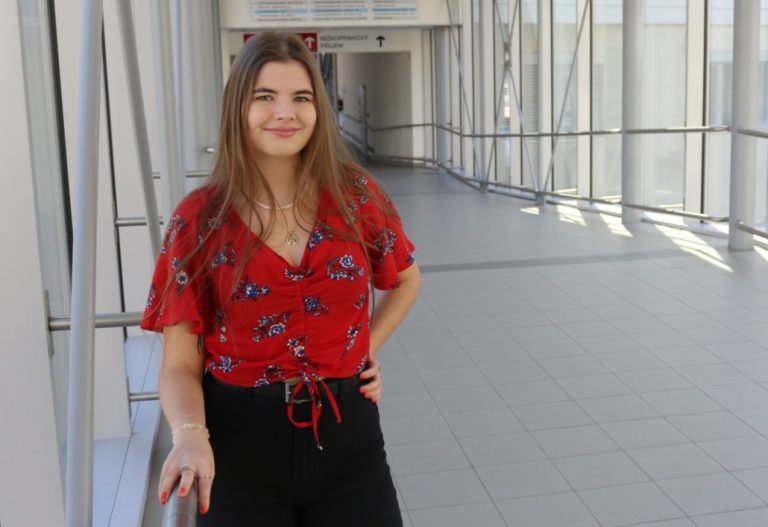
“The ICRC Academy reassured me that staying in research is meaningful — at a time when I had almost given up on it,” says Sára Hovanová
ICRC Academy intern Sára Hovanová comes from Košice in eastern Slovakia and is currently studying Neuroscience at Masaryk University. According to Sára, the newly established study programme at the Faculty of Medicine provides a unique opportunity to get closer to clinical research. Her interest in science began in childhood, driven by curiosity and a fascination with documentaries about space, history, and biology. Over time, she became particularly intrigued by the complexity and functioning of the human brain. After attending the ICRC Academy Weekend Seminar in November 2025, Sára joined the Neuromodulation Technology team, where she is involved in clinical research and patient-oriented work under the supervision of her mentor, Ph.D. student Ing. Jan Trajlínek.
What awaits us?
All events
October 06th – 07th, 2026
ICRC DAYS
You are the Future of Medicine!

Hack jak Brno
A nationwide hackathon will bring together students, professionals, and innovators from across the Czech Republic to tackle current challenges in healthcare over the course of two days. The goal is to combine technological expertise with medical knowledge to develop solutions that improve patient care and enhance the efficiency of healthcare services.
BioTech jak Brno
A half-day conference at the intersection of biotechnology, healthcare, and public policy, opening a vital discussion: Where is support for medical innovation in the Czech Republic heading?
ICRC DAYS 2026
Bringing together internationally recognized experts and the next generation of scientific leaders, the event will provide a unique platform for knowledge exchange, collaboration, and innovation in biomedical research!
Poslechněte si nás!
All podcasts
(only in czech language)
Anna na vlnách
Naloďte se s námi na vlny poznání! Našich lékařů a výzkumníků se ptáme na témata, která hýbou světem zdraví i vědy. Pozvání k mikrofonu přijímají odborníci z ICRC i FNUSA.
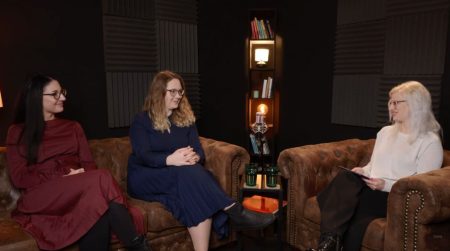
Jak v laboratorní misce „roste“ ministřevo a o léčivech, která zamezují nádorovým buňkám v pohybu
Pozvání do podcastu přijaly Eliška Zgarbová a Kateřina Hönigová, molekulární bioložky věnující se nádorovým a autoimunitním onemocněním.
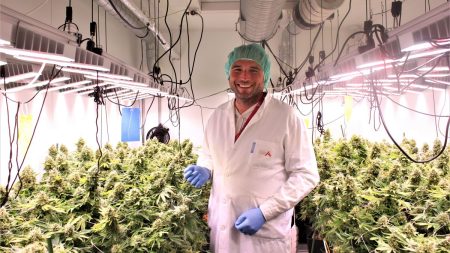
O konopí bez předsudků – výzkum a budoucnost léčby
(only in czech) Brno má světový unikát. Za průkopníka v oblasti léčebného konopí se už několik let považuje Fakultní nemocnice u sv. Anny a její Mezinárodní centrum klinického výzkumu je. Léky z konopí se zde nejen předepisují pacientům, ale konopí samotné se zde pěstuje a především zkoumá. Na jaře roku 2024 se FNUSA stala ve výrobě konopných tobolek samostatnou.
Jak se bránit demenci – Náš mozek, naše odpovědnost
(only in czech) Patologie takového Alzheimera nebo Parkinsona, tedy souhrn různých změn a abnormalit, se v našem mozku může objevovat i dobrých dvacet let předtím, než se nemoc skutečně projeví
Our Contacts for Media


Mgr. Martina Kopecká
PR Specialist for Science and Research
martina.kopecka@fnusa.cz +420 543 185 546