Molecular Control of Immune Response

Our team investigates fundamental mechanisms and translates findings from bench to bedside, combining preclinical models with clinical insight.

Researcher at ICRC with focus on translational medicine. Combines preclinical insights with clinical practice across cardiology, neurology, and oncology programs.

Currently leads / contributes to interdisciplinary projects bridging molecular biology, imaging, and patient care at St. Anne's University Hospital Brno.

Research Group

Team size
Team size: 9 Researchers
Place
Place: Building C2, 2nd Floor
Collaborates with
Collaborates with Charles University, Prague

Head of Research Group

prof. Mgr. Lukáš Kubala, Ph.D.

Members

Ing. Iva Krytinářová

Ing. Iva Krytinářová

Junior Researcher

Mgr. Michaela Pešková

Junior Researcher

Mgr. Eva Vojtková, Ph.D.

Mgr. Eva Vojtková, Ph.D.

Research Assistant

Katarína Marečková

Katarína Marečková

Research Technician

Mgr. Kristýna Turková, Ph.D.

Mgr. Kristýna Turková, Ph.D.

Postdoctoral Researcher

Jana Straková

Jana Straková

Research Nurse

Mgr. Jan Víteček, Ph.D.

Mgr. Jan Víteček, Ph.D.

odborný konzultant, Principal Investigator

prof. Mgr. Lukáš Kubala, Ph.D.

prof. Mgr. Lukáš Kubala, Ph.D.

Senior Research Team Leader

Team Assistant

Main Objectives

  1. Identification of molecular mechanisms responsible for the development of endothelial dysfunction and tissue damage under conditions of acute and chronic inflammation including ischemic insults.
  2. Development of new anti-inflammatory drugs targeting cAMP signalling pathways, particularly specific isoforms of adenyl cyclases.
  3. Identification of the regulatory role of phagocytes and their newly defined subpopulations in the course of acute and chronic inflammation.

Research focus

Molecular Control of Immune Response group (MCIR) is focused on the elucidation of molecular mechanisms underlying acute and chronic inflammatory processes and to new therapeutic targets. We investigate the role of hyaluronan in the course of healing and inflammatory processes. That will be used for the development of hyaluronan based pharmaceuticals and biomaterials in collaboration with biotech company Contipro. Secondly, our objective is to develop fluidic models to study the relationship between blood flow and vascular inflammation and vessel recanalization during ischemic stroke. The third, objective is to evaluate the biological importance of different isoforms of adenylyl cyclases in collaboration with the Medicinal chemistry research group.

Herz- und Diabeteszentrum NRW, Ruhr-Universität Bochum, Bad Oeynhausen, Germany.

BioMEMS Resource Center, Harvard Medical School, USA.

Contipro a.s., Dolní Dobrouč, Czech Republic

Testing anti-inflammatory drugs in in vitro models and evaluation of their efficiency in a variety of preclinical animal models.

Studies employing endothelial cell seeded microfluidic systems that mimic microvascular systems.

Testing biocompatibility and regenerative potential of new materials and compounds in vitro and in vivo.

Technological equipment

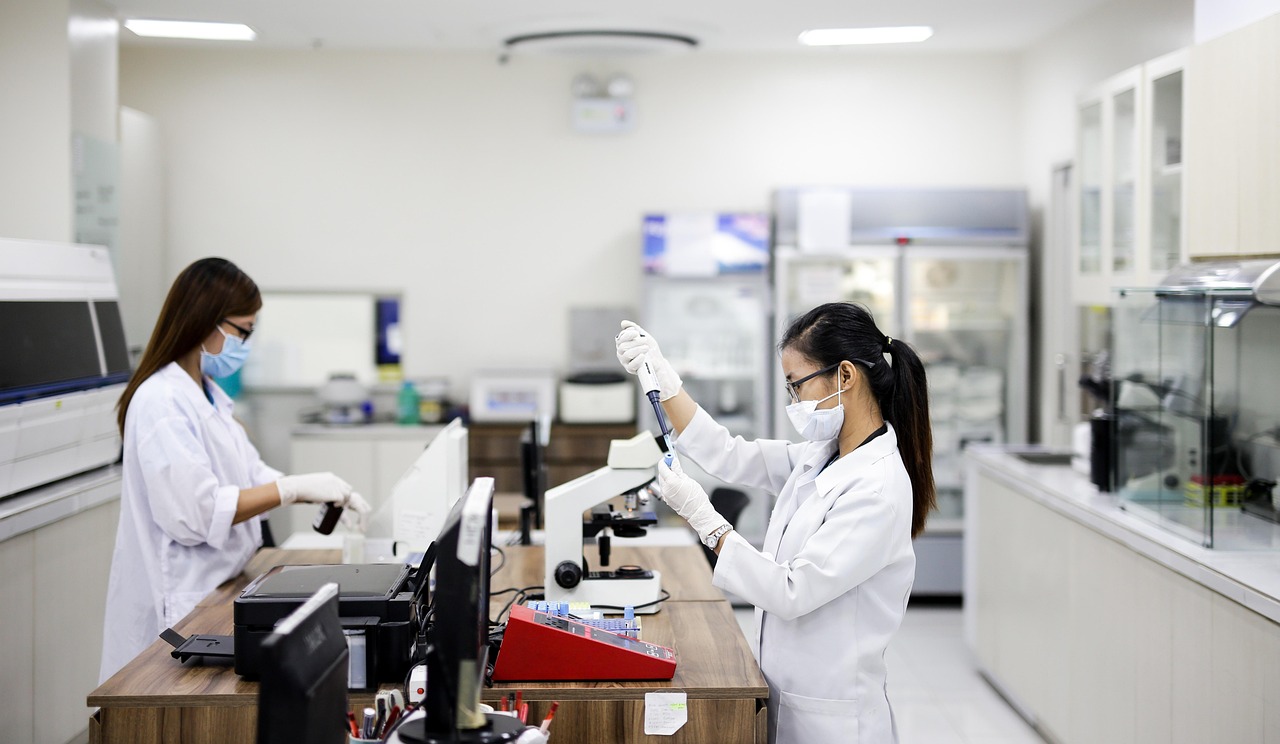
  • Microfluidic systems for mimicking vasculature in vitro.
  • High throughput screens for determination of modulation of a specific isoform of adenylate cyclase activity.
  • Set of instruments for the determination of production of various reactive oxygen species, nitric oxide, and antioxidative capacity in various biological samples.

Selected Results

  • KOLAROVA, H., KLINKE, A., KREMSEROVA, S., ADAM, M., PEKAROVA, M., BALDUS, S., EISERICH, J., KUBALA, L. Myeloperoxidase induces the priming of platelets. Free Radical Biology and Medicine. 2013, 61(April), 357-369.
  • ADAM, M., GAJDOVA, S., KOLAROVA, H., KUBALA, L., LAU, D., GEISLER, A., RAVEKES, T., RUDOLPH, V., TSAO, P., BLANKENBER, S., BALDUS, S., KLINKE, A. Red blood cells serve as intravascular carriers of myeloperoxidase. Journal of Molecular and Cellular Cardiology. 2014, 74(September), 353-63.
  • AMBROZOVA, G., MARTISKOVA, H., KOUDELKA, A., RAVEKES, T., RUDOLPH, T., KLINKE, A., RUDOLPH, V., FREEMAN, B., WOODCOCK, S., KUBALA, L., PEKAROVÁ, M. Nitro-oleic acid modulates classical and regulatory activation of macrophages and their involvement in pro-fibrotic responses. Free Radical Biology and Medicine. 2016, 90(January), 252-260.
  • AMBROZOVA, G., FIDLEROVA, T., VERESCAKOVA, H., KOUDELKA, A., RUDOLPH, T.K., WOODCOCK, S.R., FREEMAN, B.A., KUBALA, L., PEKAROVA, M. Nitro-oleic acid inhibits vascular endothelial inflammatory responses and the endothelial-mesenchymal transition. Biochimica et Biophysica Acta. 2016. [Epub ahead of print]
  • KUDOVA, J., PROCHAZKOVA, J., VASICEK, O., PERECKO, T., SEDLACKOVA, M., PESL, M., PACHERNIK, J., KUBALA, L. HIF-1alpha Deficiency Attenuates the Cardiomyogenesis of Mouse Embryonic Stem Cells. PLoS One. 2016, 29, 11(6), e0158358.
  • KUBALA, L., KREMSEROVA, S., KOCURKOVA, A., CHORVATOVA, M., KLINKE, A. (2018) The role of myeloperoxidase in the regulation of polymorphonuclear neutrophil cell death. European Journal of Clinical Investigation 48:71-71.
  • SINDELAR, M., JILKOVA, J., KUBALA, L., VELEBNY, V., TURKOVA, K. (2021). Hyaluronidases and hyaluronate lyases: From humans to bacteriophages. Colloids and Surfaces B-Biointerfaces 208. ARTN 112095
  • KOCURKOVA, A., NESPOROVA, K.,, SANDANUSOVA, M., KERBEROVA, M., LEHKA, K., VELEBNY, V., KUBALA, L., AMBROZOVA, G. (2021). “Endogenously-Produced Hyaluronan and Its Potential to Regulate the Development of Peritoneal Adhesions.” Biomolecules 12(1).
  • KREMSEROVA, S., KOCURKOVA, A., CHORVATOVA, M., KLINKE, A., KUBALA, L. Myeloperoxidase Deficiency Alters the Process of the Regulated Cell Death of Polymorphonuclear Neutrophils. Front Immunol. 2022 Feb 8;13:707085. doi: 10.3389/fimmu.2022.707085. PMID: 35211113; PMCID: PMC8860816.